Source Road Washing Water Bowser Truck for Municipal, Construction, and Dust Control
Compare 30 road washing water bowser truck models from Hubei, China. Evaluate specifications including 10-15m spray width, 10-15m cannon range, and 10-15m cannon range. Options feature Cummins engines, 4x2 drive, and carbon steel tanks for municipal and construction applications; compare the available evidence and request quotations based on your requirements.
Key considerations
Products List
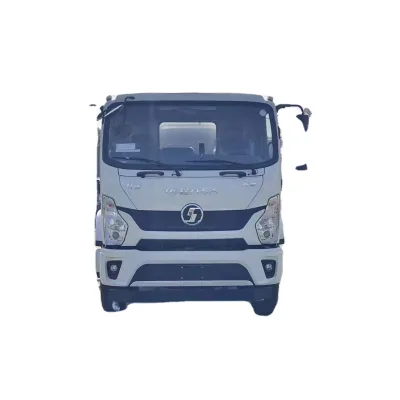


Comprehensive Sourcing Guide
Road Washing Water Bowser Truck Sourcing Guide
Procuring a road washing water bowser truck requires careful alignment of vehicle chassis capabilities with specialized tank and spraying equipment. These vehicles are primarily designed for municipal street cleaning, dust suppression, and landscape irrigation tasks. Buyers must evaluate the integration of high-pressure pumps, rear spray bars, and side jets to ensure adequate coverage for specific road widths. The core functionality relies on the synergy between the truck’s engine power and the water delivery system’s efficiency.
Selection begins with defining the operational environment, whether urban centers or rural highways. The choice of chassis brand, such as Dongfeng or Sinotruk, influences durability and parts availability. Buyers should prioritize vehicles with robust suspension systems to handle the dynamic weight shifts of water loads. Understanding the specific sprinkling area requirements, typically ranging from 12 to 16 meters, ensures the selected model meets municipal coverage standards without excessive fuel consumption or redundant equipment.
Product Scope and Observed Listing Signals
Market listings for these trucks often highlight a wide range of tank volumes, with common configurations falling between 10,001 and 15,000 liters. This capacity range supports extended operational shifts without frequent refilling, which is critical for large-scale municipal projects. The observed price points vary significantly, reflecting differences in chassis origin, engine specifications, and tank material quality. Buyers should interpret these price ranges as indicators of component tier rather than fixed market rates, as customization options heavily influence final costs.
Listing signals frequently emphasize customization availability, allowing buyers to tailor spray widths and cannon ranges to local infrastructure needs. Typical specifications include a gross vehicle weight around 18,000 kg and a curb weight near 8,350 kg, indicating substantial payload capacity for water and accessories. The presence of manual transmissions with five forward gears suggests a focus on durability and ease of maintenance in demanding work environments. These signals help buyers filter listings to find vehicles that match their specific operational weight and volume constraints.
Technical Specifications to Verify
Engine performance is a critical technical parameter, with many listings specifying Cummins engines delivering between 150 and 250 horsepower. Buyers must verify the exact engine displacement, often around 5,900 ml, to ensure sufficient torque for heavy loads and steep gradients. The transmission type is typically manual, requiring operators to be skilled in gear shifting under load. Confirming the gearbox configuration, such as five forward and one reverse gear, ensures compatibility with local driver training programs and maintenance facilities.
The water delivery system’s technical details require close scrutiny, including pump brand and suction depth capabilities. Many suppliers specify Chinese famous brand pumps, such as Weilong, which offer reliable performance for continuous operation. The water cannon range, often cited around 28 meters, and sprinkling width of 14 meters define the effective cleaning radius. Buyers should verify the tank material, which may be carbon steel or stainless steel, to assess corrosion resistance and longevity in varying weather conditions.
Compliance and Safety Documentation
Emission standards are a primary compliance concern, with listings often citing Euro 2 through Euro 5 standards. Buyers must confirm the specific emission level required by local environmental regulations before placing orders. Non-compliance can result in significant fines or operational bans in restricted urban zones. Documentation should include detailed engine emission certificates and test reports from authorized laboratories to verify adherence to the stated standards.
Certification packages typically include ISO 9001 for quality management and CCC for Chinese market compliance. Additional certifications like CE, SGS, or BV may be available for international buyers requiring third-party verification. Buyers should request copies of these certificates to ensure the manufacturing facility meets recognized quality benchmarks. Safety documentation should also cover the structural integrity of the tank and the reliability of the braking systems, which are crucial for heavy vehicles carrying liquid loads.
Cost Drivers and Commercial Terms
The total cost of ownership is influenced by several factors, including chassis brand, engine origin, and tank material. Higher-grade stainless steel tanks increase initial costs but reduce long-term maintenance expenses due to corrosion resistance. Engine brand and horsepower also impact price, with premium brands offering better fuel efficiency and resale value. Buyers should analyze these variables to determine the most cost-effective configuration for their specific operational intensity and budget constraints.
Commercial terms often involve flexible packaging options, such as naked packing, RO-RO, or bulk shipping, which affect logistics costs. The single package size and gross weight provide essential data for calculating freight charges and handling requirements. Buyers should negotiate clear terms regarding delivery timelines and warranty coverage for critical components like pumps and engines. Understanding these commercial nuances helps in budgeting for total landed costs rather than just the unit price.
Supplier Qualification and Quality Control
Supplier qualification begins with verifying their manufacturing capabilities and after-sales service infrastructure. Many suppliers offer video technical support and online assistance, which are valuable for remote troubleshooting and maintenance guidance. Buyers should assess the supplier’s response time and technical expertise to ensure ongoing support is available throughout the vehicle’s lifecycle. A robust after-sales network minimizes downtime and extends the operational life of the fleet.
Quality control processes should include factory inspections and pre-delivery testing of critical systems. Buyers may request video evidence of tank pressure tests and pump performance checks before shipment. Verifying the supplier’s production capacity and history with similar orders provides insight into their reliability. Establishing clear quality acceptance criteria in the contract ensures that any deviations from specifications can be addressed before the vehicle leaves the factory.
Long-Term Procurement Checks
Long-term procurement success depends on the availability of spare parts and the supplier’s commitment to continuous improvement. Buyers should verify the supply chain for critical components like water pumps, nozzles, and engine filters. A reliable parts supply chain reduces maintenance downtime and keeps operational costs predictable. Suppliers with established distribution networks for spare parts are preferable for fleets requiring high availability.
Regular performance reviews of the vehicles in service provide feedback for future procurement decisions. Monitoring fuel consumption, maintenance frequency, and component failure rates helps identify reliable models and suppliers. Buyers should maintain open communication with suppliers to address any emerging issues and incorporate lessons learned into subsequent orders. This iterative approach ensures that the procurement strategy evolves with operational needs and technological advancements.
FAQs
What is the tank volume capacity for this water sprinkler truck?
The tank volume ranges from 10001 to 15000 liters, providing substantial water storage for extensive road washing operations. This capacity supports continuous spraying without frequent refilling, making it suitable for large-scale municipal maintenance tasks and long-distance routes.
Which engine brands are used in these water tank trucks?
These trucks typically utilize Cummins engines, offering reliable performance and durability for heavy-duty applications. The engine capacity is approximately 5900ml, delivering horsepower between 150 and 250hp to ensure efficient operation under various road conditions and load requirements.
Can the chassis brand be customized for specific operational needs?
Yes, the chassis brand is optional and can be customized to meet specific requirements. Available options include Dongfeng, Sinotruk, Foton, and Isuzu, allowing buyers to select a chassis that best fits their local maintenance standards and preferred supplier relationships.
What certifications do these water sprinkler trucks hold?
These vehicles hold ISO9001, CCC, CE, SGS, and BV certifications, ensuring compliance with international quality and safety standards. These credentials verify the manufacturing quality and operational safety, providing buyers with confidence in the product's reliability and adherence to regulatory requirements.
What is the sprinkling width and cannon range for this truck?
The sprinkling width ranges from 12 to 16 meters, covering a broad area for efficient road cleaning. Additionally, the water cannon offers a range of 28 meters, enabling targeted spraying for dust suppression or cleaning hard-to-reach areas during maintenance operations.
What is the emission standard for these diesel water tank trucks?
The trucks comply with Euro2, Euro3, Euro4, and Euro5 emission standards, ensuring environmental compliance in various regions. This flexibility allows buyers to select a model that meets specific local environmental regulations, reducing potential regulatory hurdles and ensuring smooth operational deployment.